
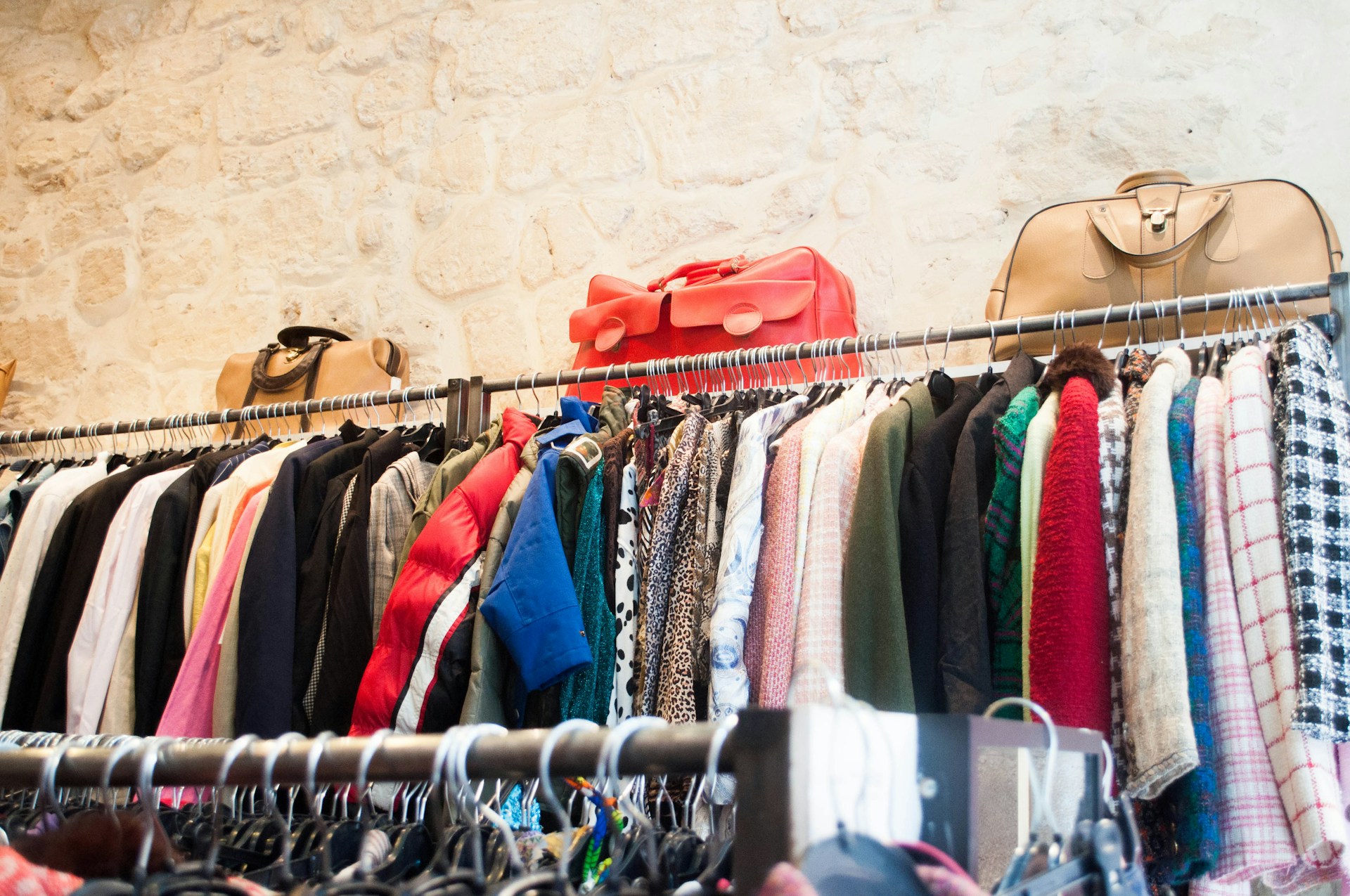
Fashion has shifted dramatically over the past decade, and thrifting has emerged as a powerful alternative to traditional shopping. People are realizing that style doesn’t have to come with hefty price tags, and second-hand clothing offers both creativity and affordability. From vintage finds to high-quality pre-owned pieces, thrifting allows individuals to experiment with their look without breaking the bank. If you want to replicate celebrity-inspired outfits without spending a fortune, you can learn how to mix pre-loved items with your existing wardrobe, creating a fashionable ensemble on a budget. Beyond cost, thrifting supports sustainability, encourages personal expression, and challenges the conventional fashion industry, making it increasingly clear why this trend is shaping the future of style for everyday consumers.
Affordability Without Sacrificing Style
One of the most compelling reasons thrifting is gaining momentum is its affordability. Designer-inspired looks can be created for a fraction of the retail cost. Many people mistakenly believe that looking polished or trendy requires expensive brands, but carefully selected second-hand pieces can elevate any wardrobe. Thrift stores, online resale platforms, and charity shops provide access to stylish items that would otherwise be financially out of reach. By hunting smartly and combining items thoughtfully, individuals can create ensembles that rival high-end fashion, proving that cost-effective style is both achievable and satisfying.
Access to Rare and Vintage Pieces
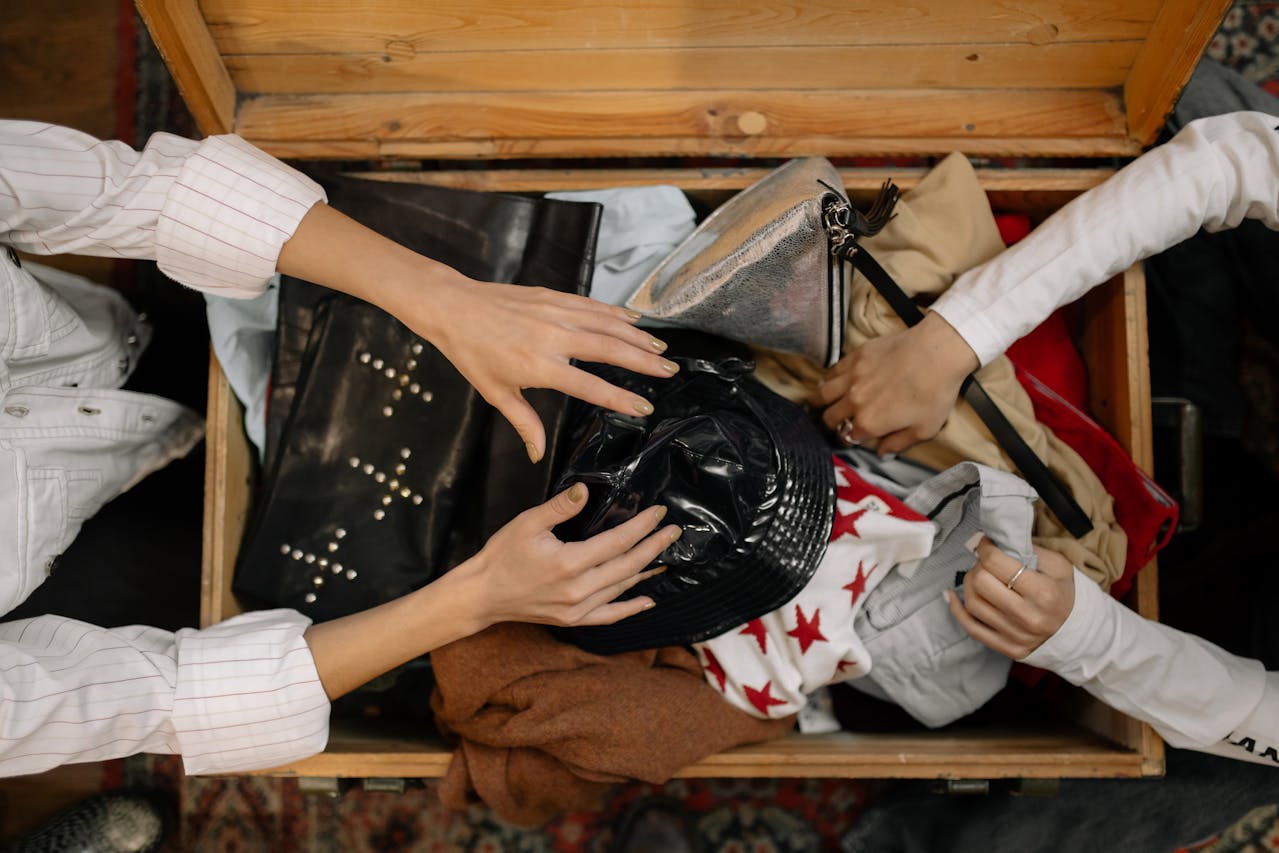 Second-hand shopping provides access to clothing and accessories that are no longer available in mainstream stores. Thrift stores and online marketplaces often feature vintage jackets, retro dresses, and discontinued styles, offering shoppers the opportunity to create distinctive looks. These pieces add character to any wardrobe and allow personal style to stand out without relying on mass-market trends. Vintage clothing often has high-quality craftsmanship that is hard to find in modern garments. Thrifting makes it possible to discover items that feel rare and special, enabling fashion lovers to embrace originality and creativity in their outfits.
Sustainability and Environmental Impact
Thrifting directly contributes to reducing fashion waste. The clothing industry is notorious for its environmental footprint, including excessive water usage, synthetic fiber pollution, and massive landfill contributions. Purchasing pre-owned clothing keeps items in circulation longer, decreasing demand for fast fashion production. Choosing second-hand over new items reduces carbon emissions associated with manufacturing and transportation. With more consumers recognizing the environmental implications of their shopping habits, thrifting offers a practical way to participate in conscious fashion. It allows style enthusiasts to make responsible choices without compromising on aesthetic appeal or individuality.
Encourages Creative Styling
Thrifting challenges shoppers to think outside the box. Mixing and matching pre-owned items with existing wardrobe pieces requires a certain level of creativity, which encourages personal expression. Unlike traditional shopping, where trends dictate choices, thrifting allows for experimentation with colors, textures, and silhouettes. Shoppers can explore unconventional combinations, upcycle old pieces, or repurpose clothing in innovative ways. This freedom fosters a playful and imaginative approach to fashion, transforming the act of dressing into an artistic and engaging experience that goes beyond merely following seasonal trends.
Thriving Online Thrift Communities

The rise of online thrift platforms has made second-hand shopping more accessible than ever. Websites and apps provide curated selections from around the globe, allowing consumers to browse thousands of items from the comfort of their home. These platforms often include user reviews, detailed photos, and filters that simplify the shopping experience. Online thrifting communities also share tips, styling inspiration, and DIY hacks, which educate consumers on how to look fashionable without overspending. With technology bridging gaps between sellers and buyers, thrifting has become a convenient, interactive, and educational alternative to traditional retail.
Thrifting represents a shift in how fashion is approached, blending affordability, sustainability, and creativity. It allows consumers to achieve stylish looks without relying on expensive brands, while simultaneously reducing environmental impact. Vintage finds and pre-owned pieces foster individuality and inspire innovative styling choices. Online platforms and communities further democratize fashion by making it accessible, interactive, and educational. For modern shoppers, thrifting is more than a trend—it’s a practical, responsible, and exciting way to build a wardrobe that reflects personality, values, and flair, proving that fashion can be stylish, budget-conscious, and sustainable all at once.